Why we run the risk of altering Kenya diverse coastline into a green desert
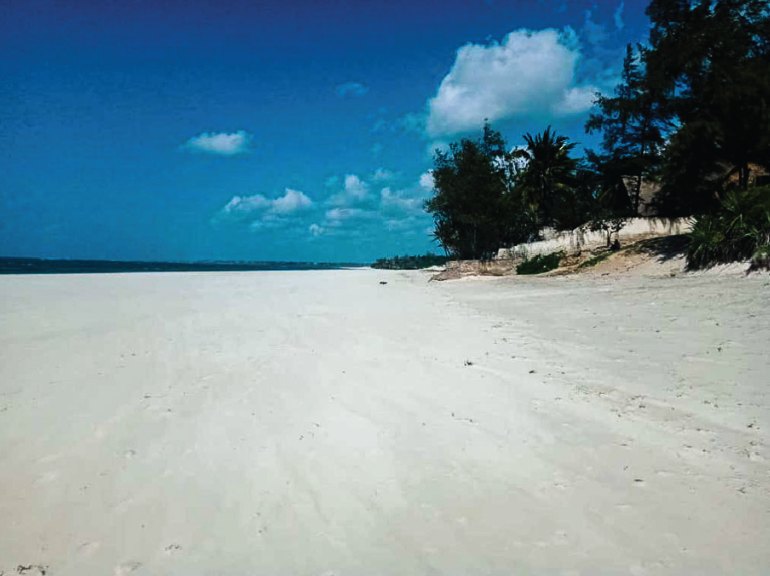
Kenya’s coastline has a lot to offer and this is why it is home to so many. Both Kenyans and Internationals flock to the coast for work, tourism or to live along this beautiful piece of paradise. And who could blame them, the warm Indian Ocean to dip your toes in, the luscious green forests spattered all along the coast, from critical mangrove forests to the highly biodiverse coastal forests. Let’s not forget the white sandy beaches that attract thousands of tourists every year. All sounds pretty magical, don’t you think?
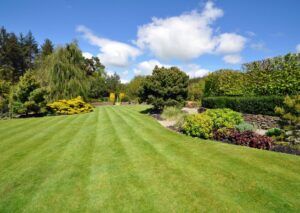
However, this is all under threat due to development, overexploitation and many other damaging activities, but the one I want to talk about in this blog is rarely spoken about, it probably doesn’t even cross many peoples mind and we all most likely engage in this activity completely unaware of its impact to the environment. It started back in the colonial days and continues to this day, the conversion of peoples gardens or outdoor facilities into an ‘English’ looking garden, changing the landscape to look more like that of foreign lands. Neatly kept grassy lawns and exotic plants that have no purpose other than to please the person who put them there. Of course, as mentioned above there are big problems with deforestation, illegal logging, and development, that are seriously impacting the coastal landscape. However, this is evident to anyone living here, as buildings pop up randomly, and forests silently disappear. Much needs to be done on this but there is also a silent killer, this being the exotic plants introduced in gardens or hotel lawns, pleasing to the eye but deadly to the native plants and wildlife. It is also something that could easily be changed through awareness.
What’s the big deal?
Shouldn’t we champion people who plant trees and plants instead of building a concrete landscape? Yes, we most definitely should, but it is naïve of us to think that it is as simple as just planting any odd thing, we first need to understand the landscape we call home, the history, the importance it has for both us and wildlife because just planting anything can be just as damaging as planting nothing at all. This is why I visited the Kivukoni Indigenous Tree Nursery in Kilifi, to learn more about the array of indigenous species found along the coast as well as what Valor to Virtue could do to help save the disappearing coastal forests of Kenya.
The indigenous nursery is neatly tucked away amongst some of Kilifi’s famous farmland and plantations. Upon arrival, I am greeted by a big wooden sign reading ‘Kivukoni Indigenous Tree Nursery’. As I enter, I am welcomed by Norbert, the owner, founder and indigenous tree enthusiast. It had been raining heavily all morning, but as soon as I stepped out the sun broke away from the clouds and shone down on us. I was warmly welcomed by Norbert, standing in front of row upon row of indigenous saplings. I was immediately impressed and excited for my indigenous species tour and lesson. I quickly began snapping away with my camera as Norbert walked me through the rows of plants. I did my best to absorb as much of the information as possible, impressed by Norbert’s knowledge and desperately trying to etch in my mind all the Latin names that I was being provided. There were so many species, over 350 in fact! Some with beautiful flowers, others with uniquely shaped leaves, from evergreens, to euphorbias, and as different as they were from one another they all had one thing in common, they all were native to the Kenyan coast!
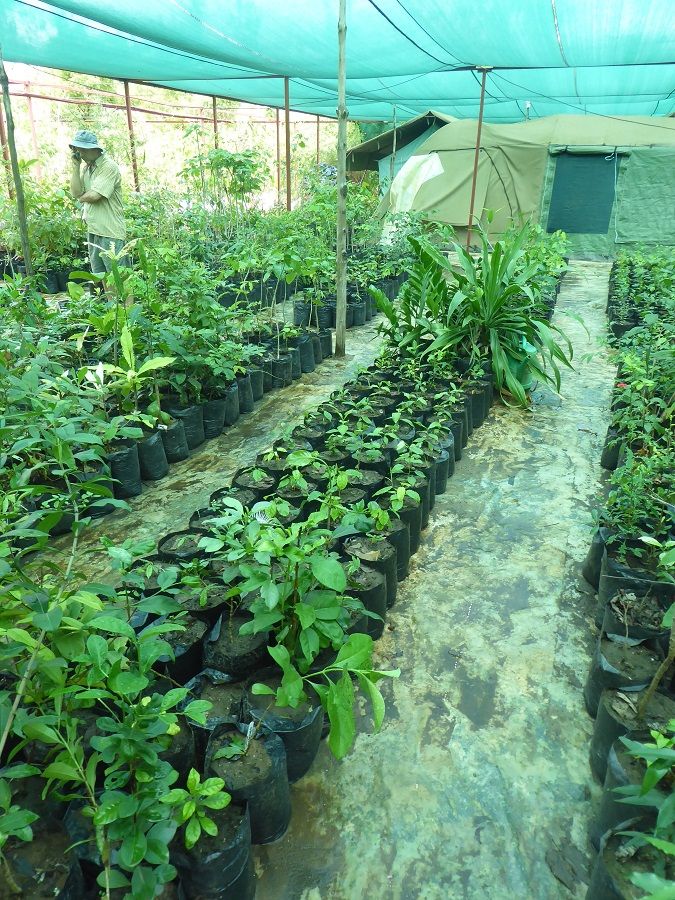
Having now worked in the realms of conservation in Kenya for over 5 years, having myself supervised tree planting exercises, I already knew that planting indigenous was vital to the conservation of Kenya’s coastal forests, but even in my best attempt in explaining to others why they should always go indigenous when planting, it always felt like a feeble attempt and I often was unsuccessful in my endeavours.
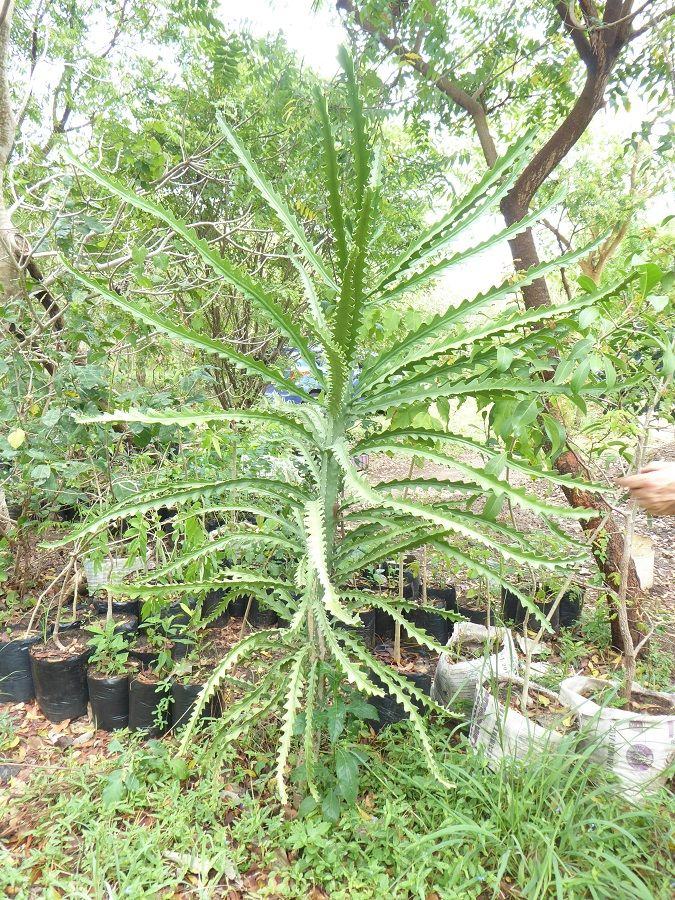
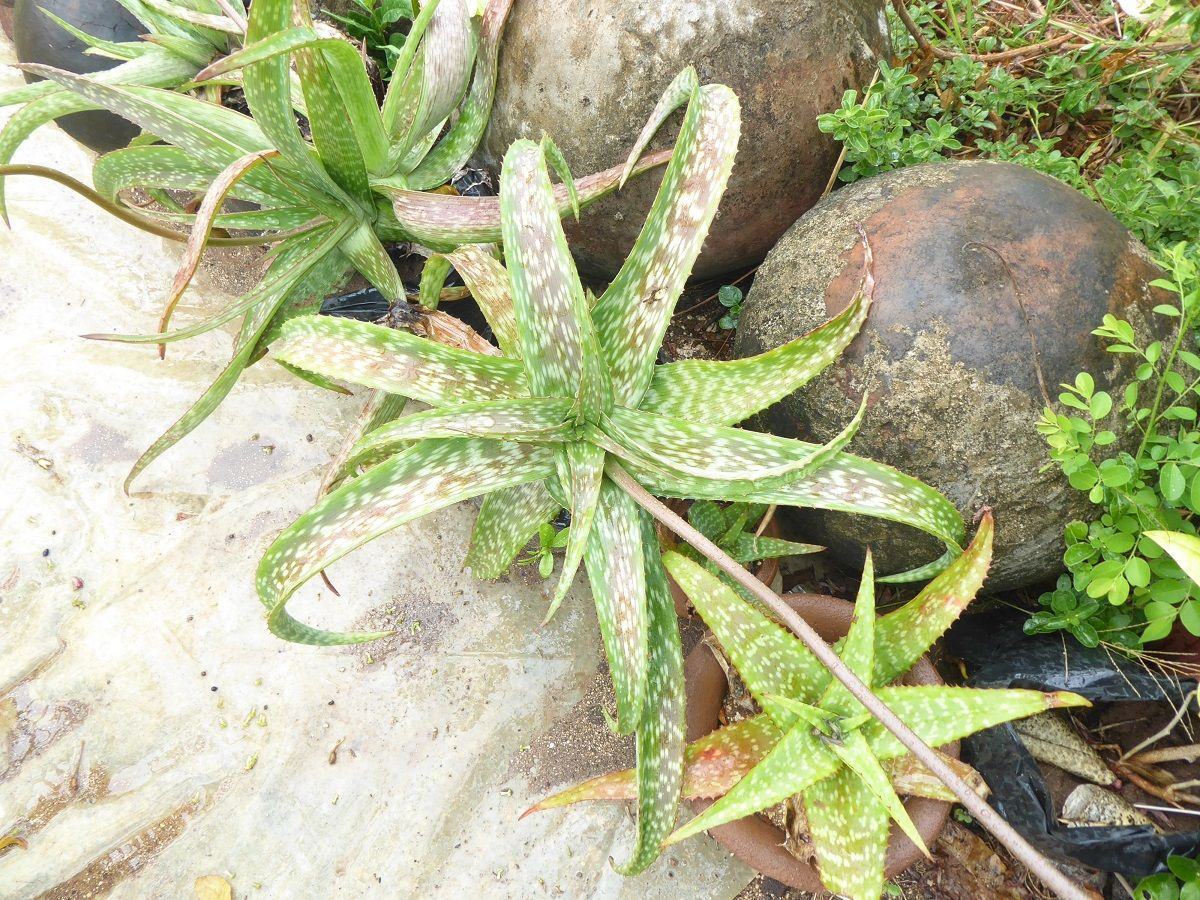
We approach several plants, that to the untrained eye could easily be mistaken as cactus species, I quickly pipe up, feeling confident that I could impart some small knowledge as we approach ‘I didn’t think cactus were native to Africa’, Norbert smiles at me, ‘You are correct, but this is not a cactus, a common mistake’. What I was looking at was in fact a selection of euphorbias, which are native, and within the collection, Norbert explained were several highly endemic species (plant or species native and restricted to a certain place) to Kenya’s coast and in turn, very rare. Some were small, others large, and all beautiful. So why, if there are already so many ‘cactus looking’ species readily available, people still opt for an ornamental cactus species?
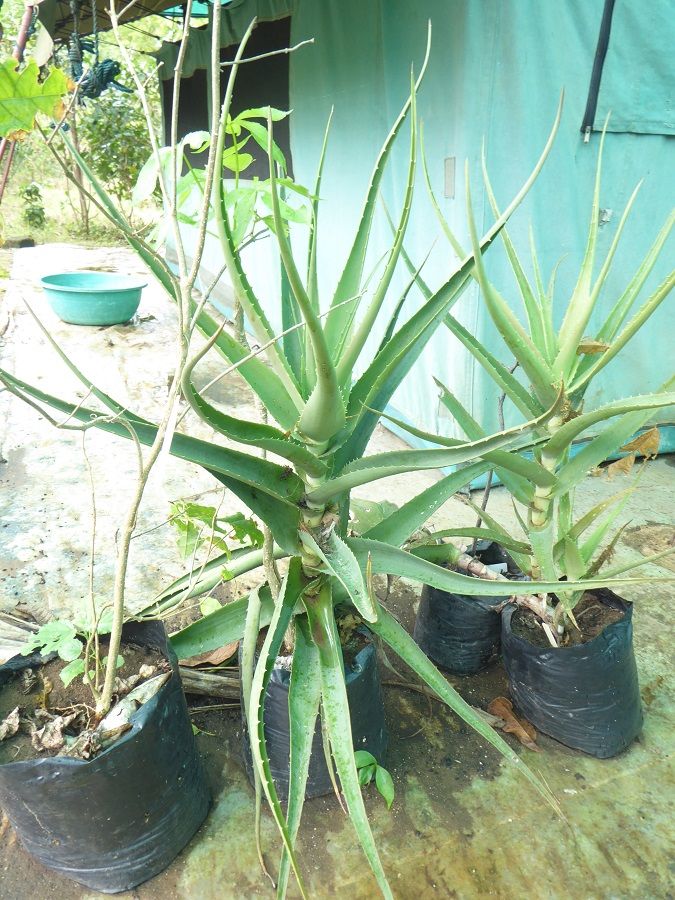
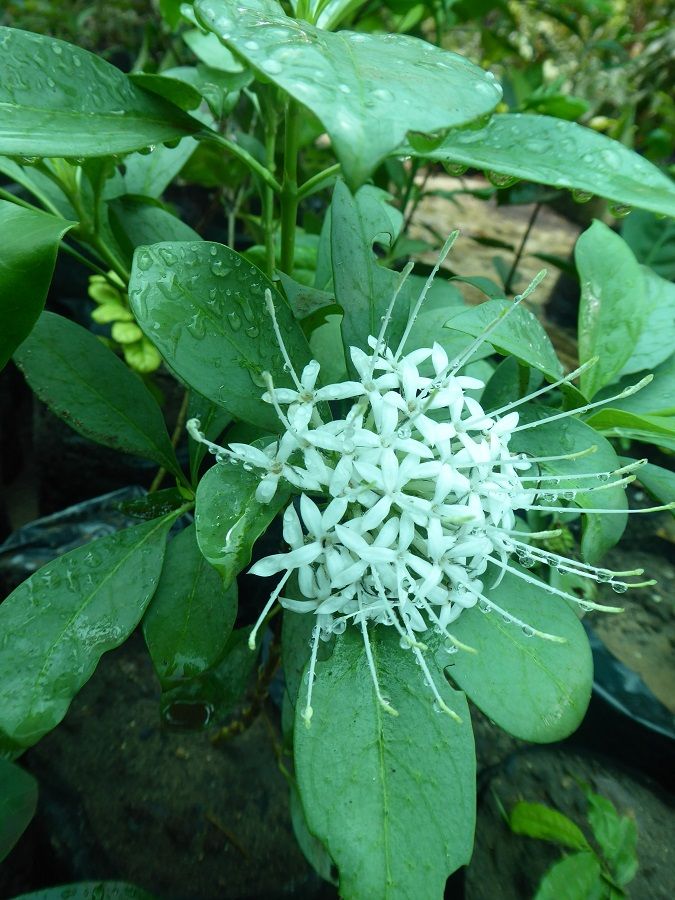
As we moved along Norbert points out some of the beautiful flowers we pass, explaining that a common misconception amongst people is that the indigenous species are ‘messy’ or ‘ugly’, this was certainly not what I was seeing in front of me, flowers varied in size, quantity and colour, and the sweet scents invading my nostrils was certainly a pleasant welcome. ‘But not all exotics are invasive or bad’ I comment, now playing devil’s advocate. From my time managing Colobus Conservation, we would often see the colobus gorging on flamboyant flowers, bougainvillea and mango leaves and so I had always seen these as the lesser evils of the exotics. Norbert agreed but was quick to point out that actually there was a native flamboyant to the coast, but again people go for what they know, most likely unaware of the alternative, the flowers were smaller, but just as beautiful.
Next, we approach a collection of several Ficus species, again all found along the coast. I was thrilled to see so many, assuming that there were only one or two found here. I was also on a mission to gather research on species that attract wildlife, and from my brief knowledge of fig trees, I knew that they were utilised by a variety of animals, from the several primate species found here to bats, bees, squirrels and many bird species. There were also many saplings of the iconic Baobab, personally one of my favourites. It was sad to learn that these beautiful and culturally critical species were being removed at a rapid rate in the area, often illegally and with no respect or care for their importance. As we walk along, Norbert shows me each stage of development, and it quickly comes evident that each species needed special and unique care. While some were potted, others were planted in ‘flower’ beds, others in mini greenhouses. Some needed regular monitoring and feeding, others run the risk of being washed away so needed protection. My admiration for the project kept growing throughout my tour. It was no simple job raising so many species, and their success was a true symbol of the love and care they receive, as the saying goes, you reap what you sow.
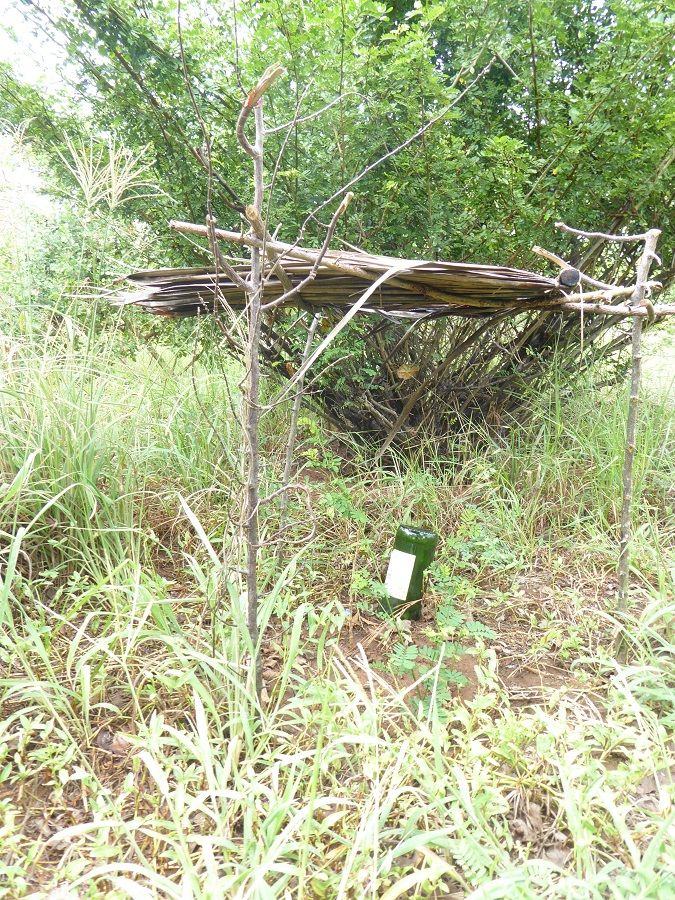
Next, we moved away from the nursery and into Norbert’s mini reforestation project, I was amazed how he could pinpoint recently planted trees and knew the ages of most, from a few weeks old to several years. One comment I have often heard from reluctant indigenous planters was that indigenous trees were slow growers, and so it was convenient to just pick an exotic species instead. As we walked through the small forest, a mix of exotics and indigenous, it became apparent that this was not true. Sure, there were many species that were slow-growing but there were also many that were quickly outgrowing their exotic neighbours in a very short span of time. Nobert explained how many of the indigenous species needed a lot of care initially simply because we had changed the landscape so much, many of the species needed shade and protection at the beginning, which they would have got when there was a forest canopy, which is sadly on the decline. Once established, indigenous is incredibly low maintenance and can ‘handle’ themselves, which makes complete sense, this is their home and what they know, if they were going to thrive anywhere it would be here!
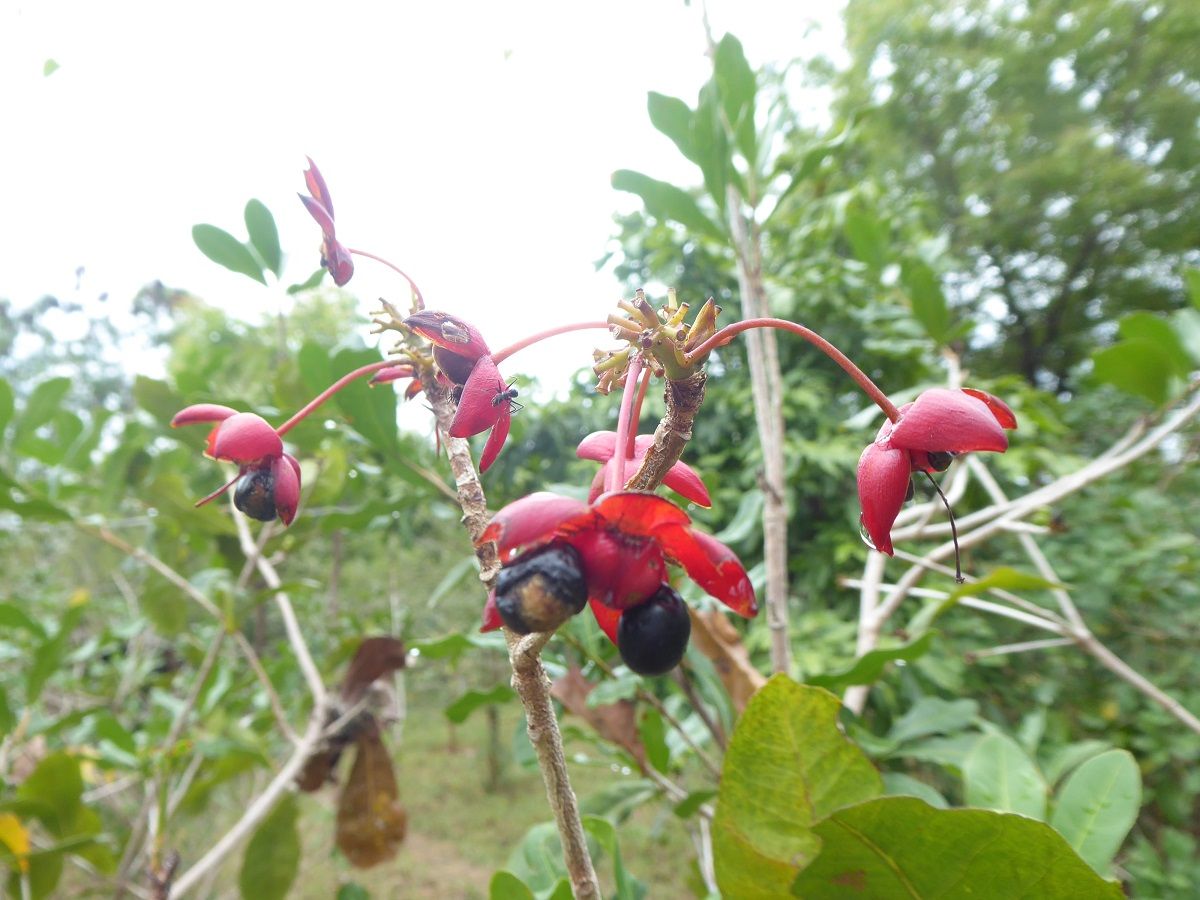
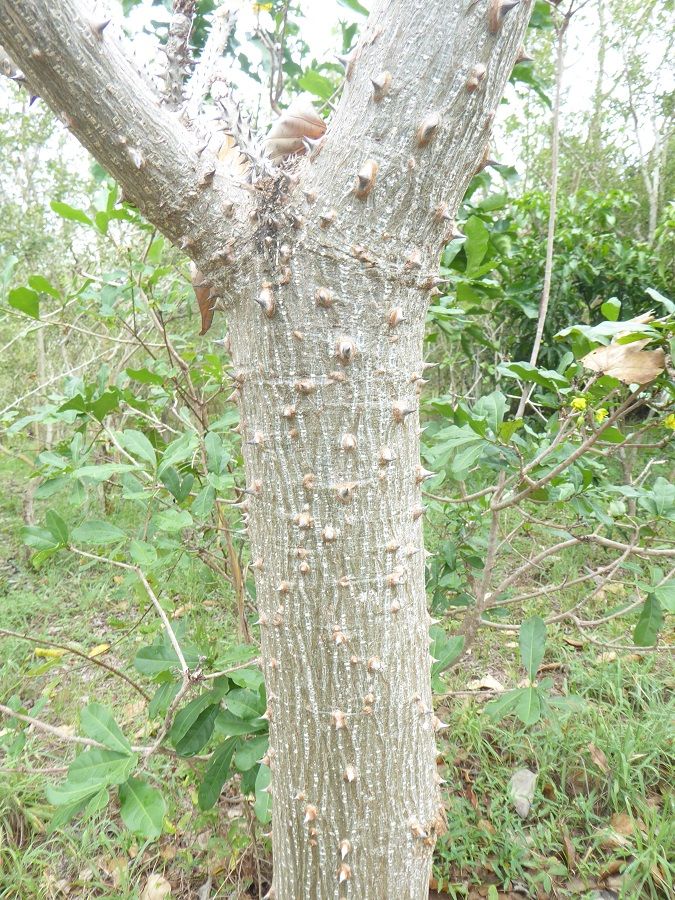
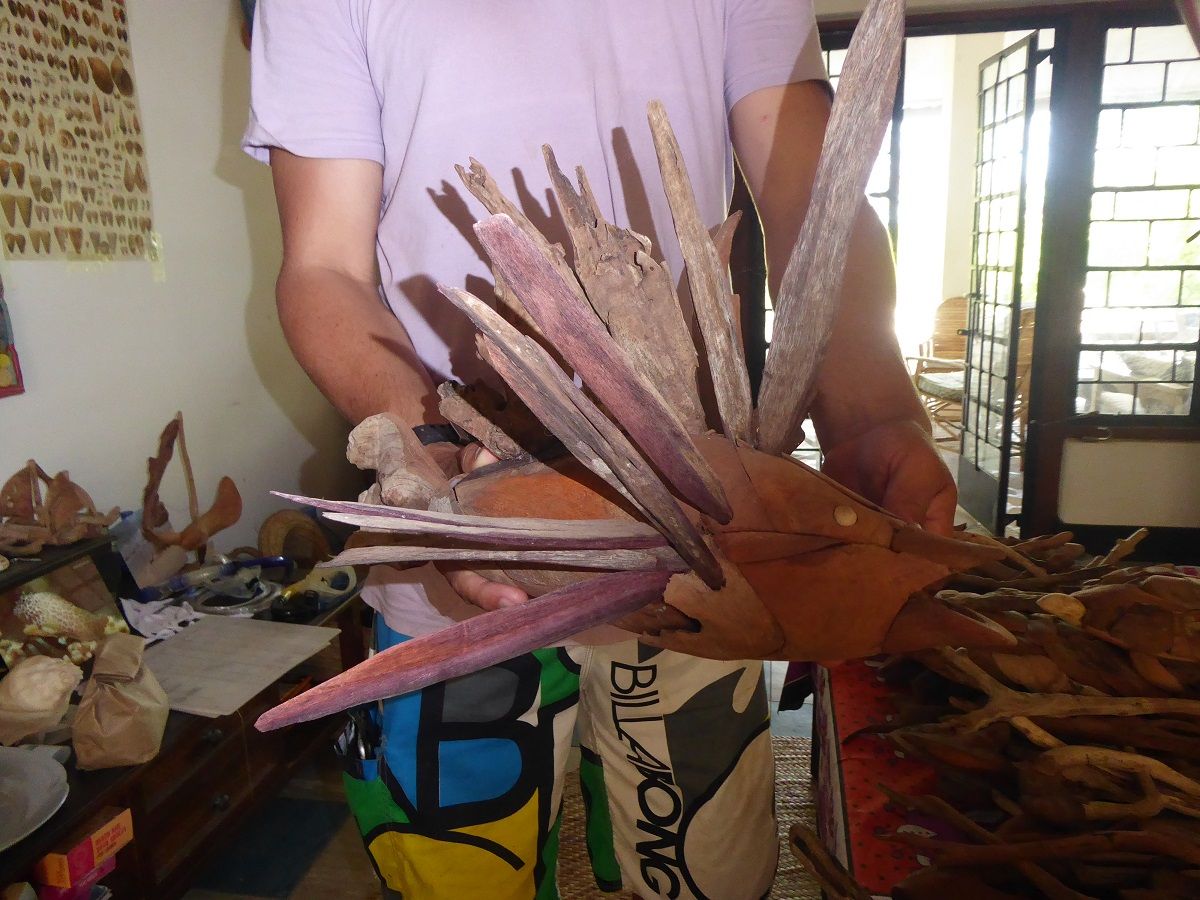
After my tour, we head to a local restaurant for lunch and talk about potential partnerships and how Valor to Virtue could best support the nursery’s amazing work. We talk about the need for conversion of private land into forest, the need for protection and more, which I will cover in future blogs, but what I want to focus on here is this age-old practice of planting exotics.
It was evident from my tour that there is plenty of variety that could accommodate any type of outdoor space and that there was a lot of misinformation out there. But I needed to know more to have a fighting chance of changing people’s minds. We talk about the common exotics, like the neem tree, also known as “Muarubaini” meaning the tree of the forty cures. Originally from India, the tree had very much integrated into the landscape and was used by many, but is incredibly invasive and will easily outcompete native species. I often remove neem saplings when I see them, stopping mid-walk to pull them up and throw them away, hoping that I am helping in my own little way. Next, we talk about the endless water guzzling palms that dominate gardens, hotels and beach edges. Purely planted because of the ‘image’ people have of palm-fringed beaches and exotic holidays but have no business to be there. Norbert explains that some species are not as bad as others but in an ideal world should not have ever been here in the first place. Unfortunately, I can’t see this changing soon, just driving down the Diani beach road I see rows of palm trees at roadside tree sellers ‘shops’ and people buying many of them, even speaking with these tree sellers, they will tell you that you can’t do business here if you do not a few palms in your collection, people will ask for them and won’t even consider the indigenous options! We talk of Jacaranda, incredibly popular here, but to any conservationist, is a big no-no. Jacaranda is not necessarily invasive, but it does not add any value to the environment. Like most of these exotic species, they create a green desert, they may look pretty to the eye but wildlife is void. Furthermore, exotics have the potential to change the soil composition, making it more favourable for their counterparts but more difficult for the indigenous. It is very simple, all these plants did not evolve to live here, given that the Kenyan coast is highly endemic and unique, the insects, reptiles, mammals and birds have evolved to co-exist with the native plants. Of course, we cannot expect everyone to create a fully-fledged forest in their back gardens, but couldn’t we just go native instead, or at least ensure there is a healthier ratio?
Why we need to change out planting ways
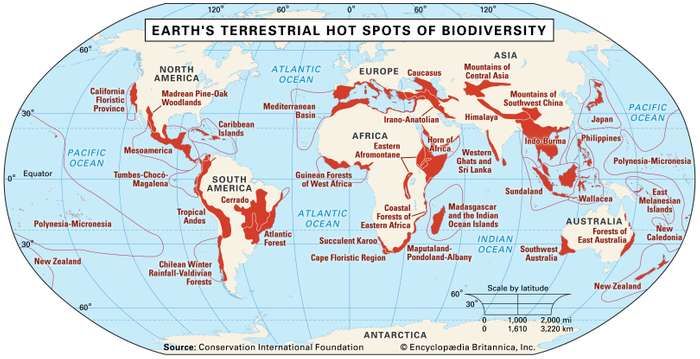
A lot of this has to do with education and the lack of awareness around the topic. Planting is just seen as good, no one ever makes you feel bad for making your garden green, and no one should, but we do need to be mindful of our environment, especially if you are lucky enough to live along the Kenyan coastline, one of the top 25 biodiversity hotspots in the world, known for its endemic plants, birds, butterflies and mammals, that once gone will be gone forever. People will always tell me how lucky they are to live here and to live next to such beauty and wildlife, but if we are not careful we run the risk of making irreversible damage to our landscape, in turn, hurting the wildlife we claim to love. Plants and animals need each other to survive, and we need to respect this. Ultimately we need to change our behaviour and mind frame.
We all have a part to play
My visit to the Kivukoni Indigenous Tree Nursery was incredibly informative, and what screamed out to me was one thing, more people need to know about the incredible work going on here and the importance of indigenous, because ultimately as much as I learnt from my tour, Norbert was preaching to the already converted, I personally would always choose the ‘messier’ looking landscape over manicured lawns. But we are all different and our preferences vary, however, I am here to tell you, there doesn’t need to be a choice of one or the other, people can opt for indigenous and have a pretty manicured lawn too!
Later on, while doing some research, it was disheartening to see very little online of the importance of growing indigenous, instead, there were thousands upon thousands of gardening tips for popular species like the jacaranda, none of these ever noted any negatives or tried to encourage people to garden responsibly, all was pushing the jacaranda agenda. I guess because you can’t make money on what is already there. To my relief, there were one or two articles on the negatives of palms, but only if you are looking for them, otherwise, you will be inundated with best planting practices and encouraged to buy for your garden.
We have much to do to save these indigenous coastal forests and we can all start in our gardens. No matter where you are in the world, the same concept applies, so do your part, spread the message and let’s all go indigenous!
Takeaway Messages
- Do your research: check out what indigenous species there are in your area and do your best to plant them instead of the exotics, I almost guarantee there will be an indigenous alternative.
- Avoid creating a green desert: think of the wildlife in your garden and the surrounding area, there is nothing more beautiful than a ‘buzzing’ garden full of butterflies, bees and mammals.
- Don’t assume: it was clear that a lot of what I had heard about indigenous was not completely correct, so going back to my first point, do your research.
- Spread the word: this is probably the most important point, knowledge is power, and a lack of has seen huge changes to our landscape, we need more people to know why it is so important to plant indigenous. People need the knowledge before they can change their behaviour.
- Change our mind frame: We need to get out of this mind frame that exotics are better because, in the majority of cases, they simply are not.
- Finally, if you are lucky enough to live in a beautiful place like the Kenyan coastline, count your lucky stars and give back by respecting the land you call home.
Valor to Virtue hopes to be working with the Kivukoni Indigenous Tree Nursery in the near future on reforestation projects along the coast. if you would like to learn more, support the initiative or have any questions, please contact us at info@valortovirtue.org.